





How to Renovate Active Spaces Without Disrupting Operations
Renovating an empty space is challenging. Renovating an active workplace, hospital, or campus is an entirely different discipline.
Noise, dust, operational continuity, safety, and occupant experience all become part of the design equation. In these environments, disruption is not just inconvenient. It is risky.

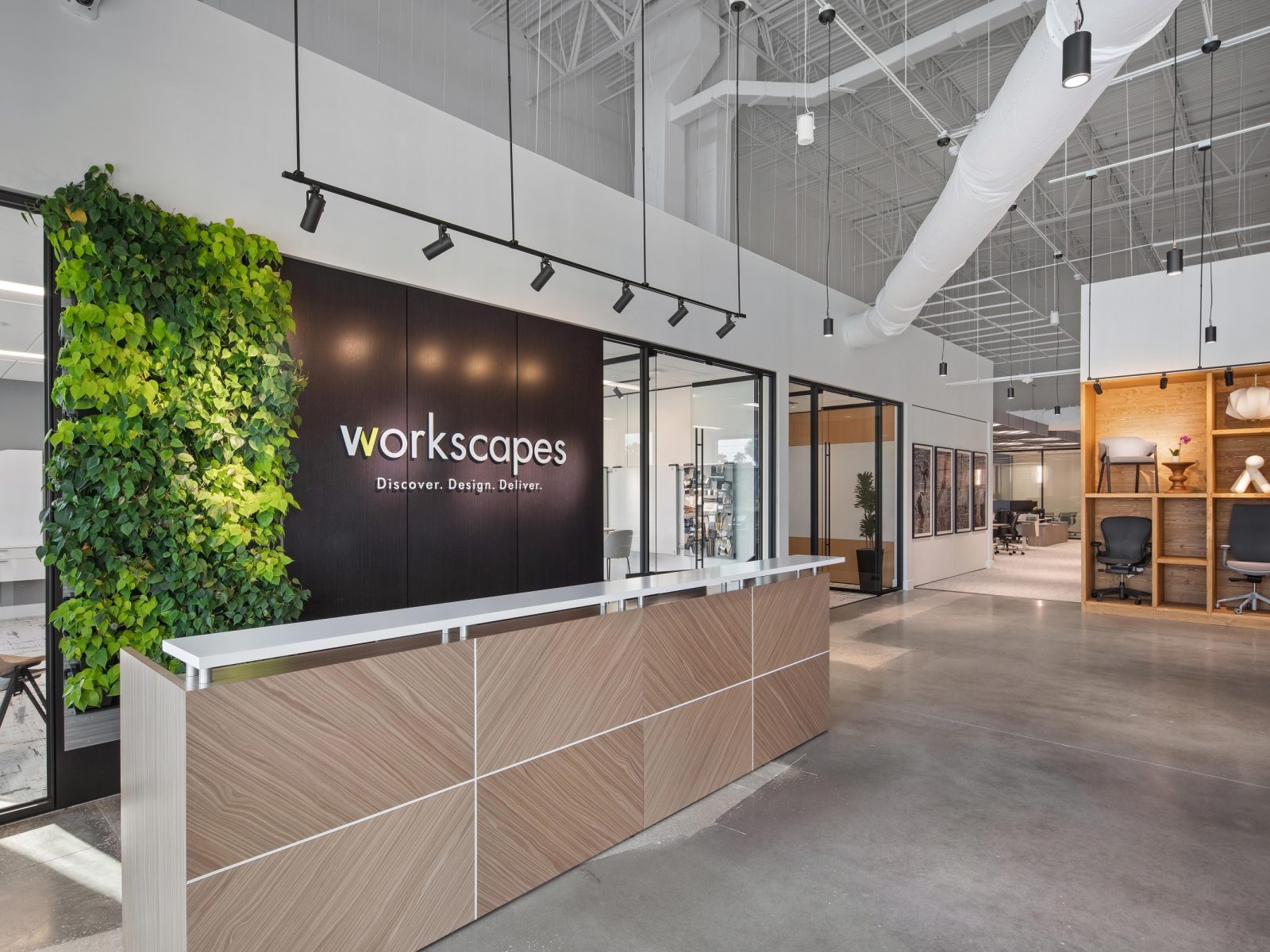
As a MillerKnoll Certified Dealer serving Florida, Workscapes supports organizations that must renovate while staff continue working, patients continue receiving care, students continue learning, and clients continue visiting. In these settings, success is measured by continuity as much as by completion.
The most successful active-space renovations rely on three core strategies:
1. Phased Planning That Matches Real Operations
True phasing is not just breaking a project into pieces. It is sequencing work based on how people actually use the space. Occupancy patterns, peak hours, infection control protocols, and security access must all guide the plan.
2. Modular Construction That Reduces Disruption
DIRTT modular wall systems allow rooms to be assembled faster, cleaner, and with far less impact on surrounding areas than traditional drywall. This dramatically reduces noise, dust, and downtime.
3. Integrated Finish and Furniture Coordination
When flooring installation, MillerKnoll furniture systems, and Frasch acoustics are sequenced together, trades do not stack on top of each other. This minimizes access conflicts and shortens overall disruption windows.
In active environments, renovation is not a pause. It is a transition. And transitions must be designed as carefully as the finished space itself.
When renovation is planned around real operations instead of ideal schedules, the project becomes far less intrusive and far more predictable.
If your next renovation must move forward without shutting down operations, Workscapes helps design and deliver phased interior solutions that protect continuity and control disruption.