







Why Phased Projects Fail and How Teams Keep Design Intact
Phased projects are often necessary. Occupied spaces, operational continuity, and funding constraints all require work to be completed in stages.
But phasing introduces risk. Without the right structure, phased projects can lose consistency, disrupt workflows, and erode design intent over time.

As a MillerKnoll Certified Dealer serving Florida, Workscapes supports phased renovations across corporate, healthcare, education, and government environments. The difference between success and failure in these projects is rarely the design itself. It is how well the phases are connected.
Phased projects tend to struggle when:
- Each phase is treated as a separate project
- Design decisions are revisited instead of carried forward
- Material availability shifts midstream
- Trade coordination resets between phases
The result is inconsistency across the final environment.
Successful phased projects are structured differently.
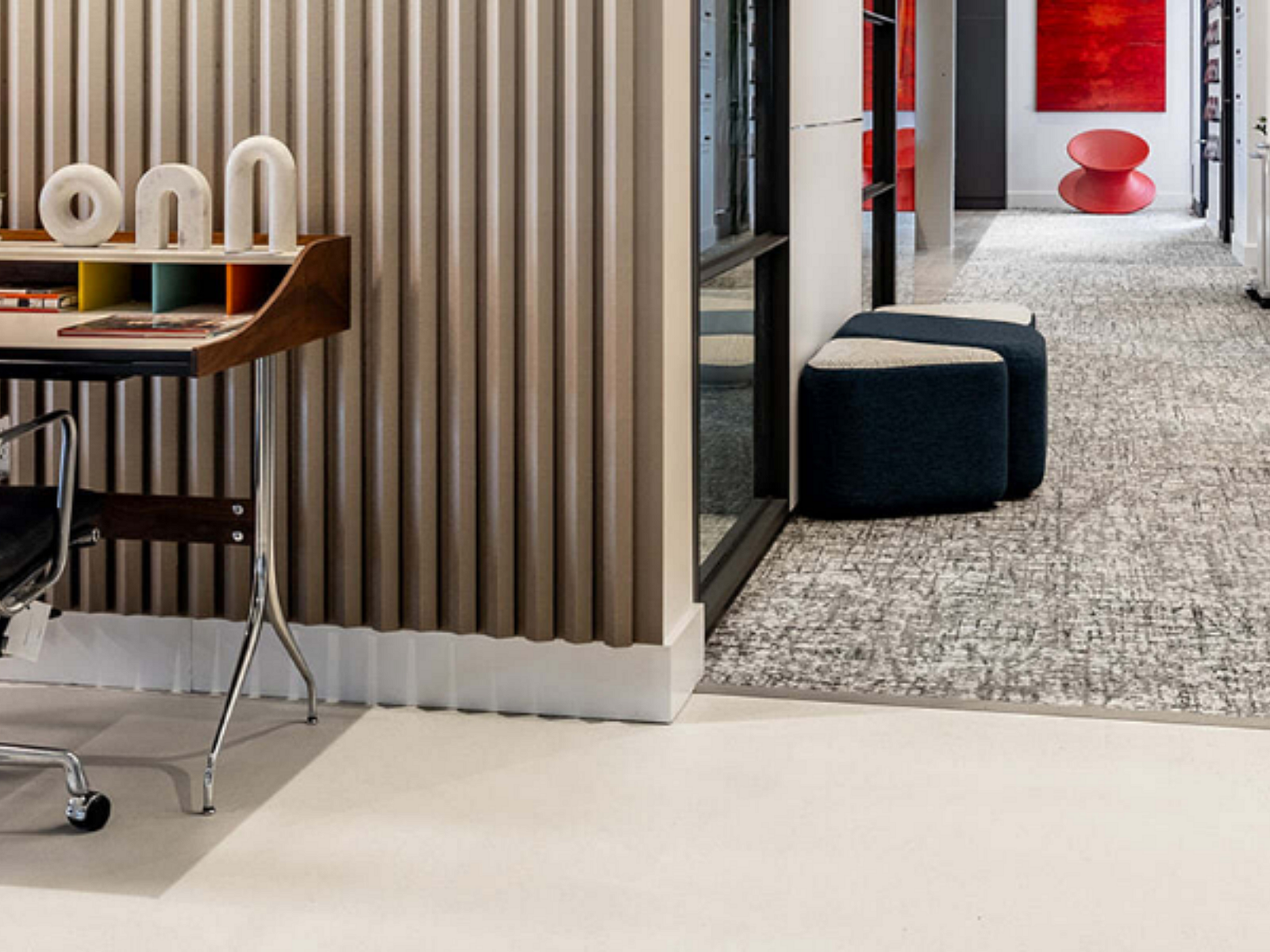
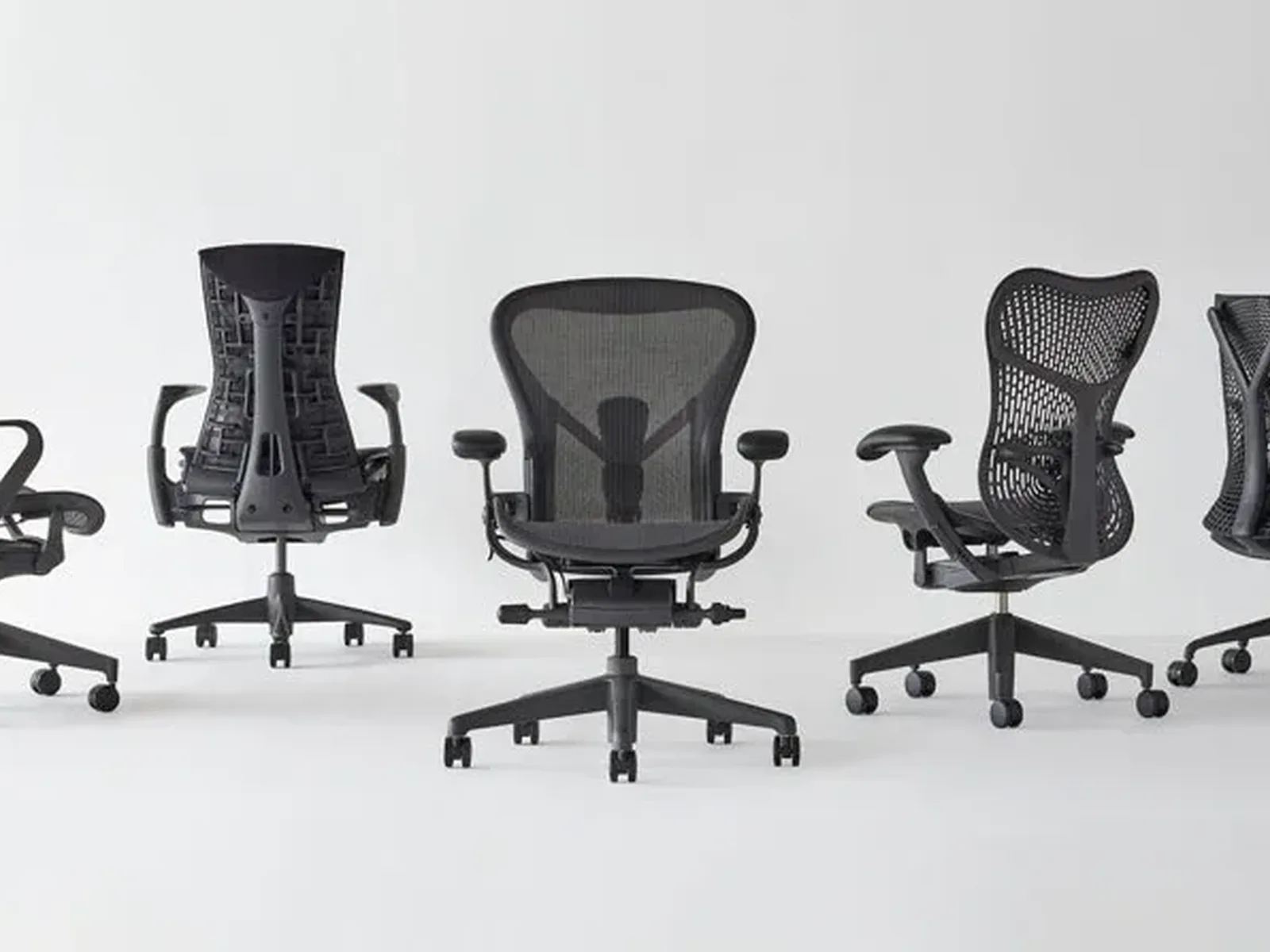
They begin with a clear, unified strategy that carries through each stage. Furniture standards from the MillerKnoll portfolio remain consistent. DIRTT modular walls allow adjustments without full redesign. Frasch acoustics maintain performance across phases. Flooring selections support both durability and phased installation.
Phasing is not just a scheduling tool. It is a design discipline.
When phases are connected through a single strategy, the end result feels intentional, not pieced together.
If your project requires phased delivery, Workscapes helps ensure each stage aligns with the overall vision and performs as one cohesive environment.